Some links in my articles are affiliate links. I may earn a commission when you buy through them.
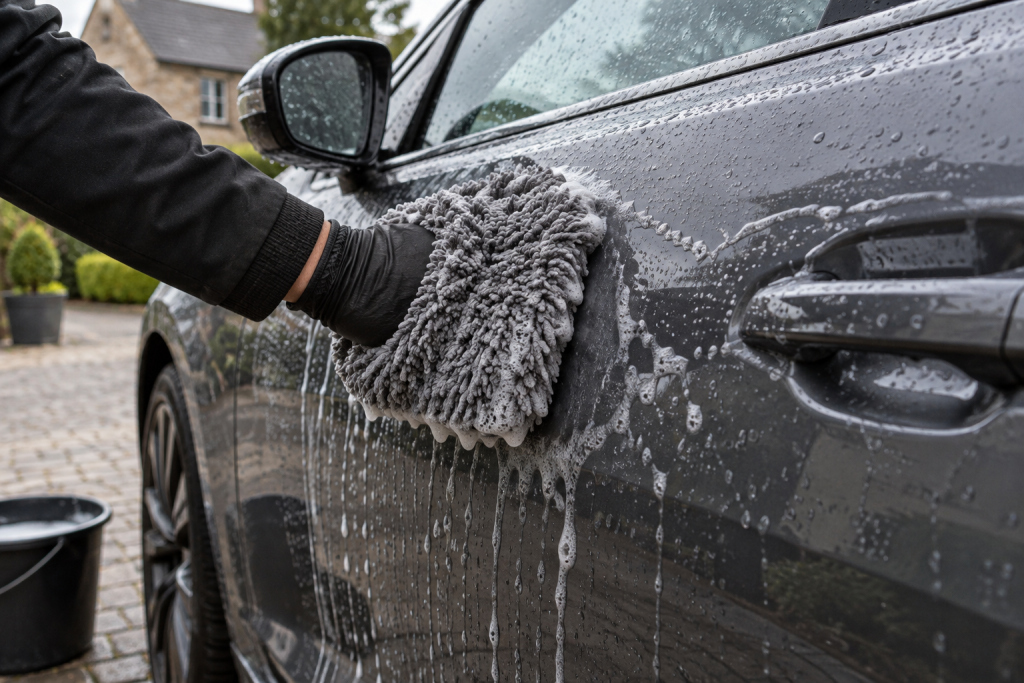
A shampoo can leave the car looking lovely and still be the wrong one for the way you look after it. If you’ve already paid for a coating, you may want a clean surface without another finishing layer. If you’re simply washing the family car on a Sunday, a little added gloss might be exactly what you’re after.
My first choice for washing without added protection is Autoglym Foaming Car Wash. I’d choose Autoglym Bodywork Shampoo Conditioner if you like a low-foam wash with a rinse aid, or Meguiar’s Ultimate Wash & Wax for a wash that also adds wax and polymers. Pick the finish you want left behind before comparing bottle sizes.
No hose at the car? Choose the no-hose washing setup first. A ready-to-use waterless wash suits light upkeep; a dedicated rinseless concentrate still needs measured water.
Best for maintaining existing protection without a finishing film
Foaming Car Wash is the choice I’d make when I want the shampoo to clean and rinse away, particularly when checking how an existing wax, sealant or suitable ceramic coating is behaving.
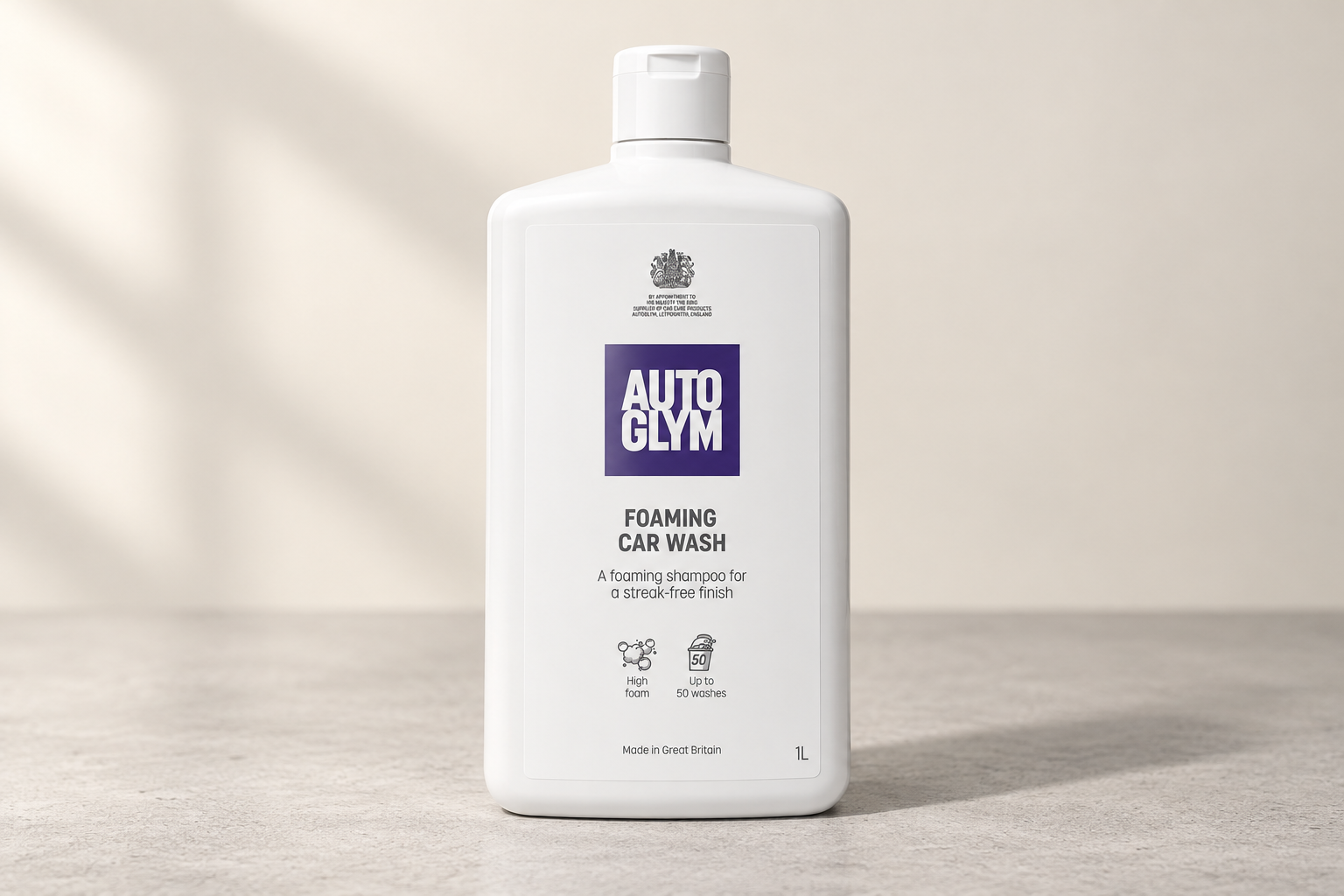
Autoglym describes it as pH neutral and says it leaves no film behind. That distinguishes it from a conditioner or wash-and-wax shampoo, even though all three can make a freshly washed car look smart. The coating’s own aftercare instructions still take priority for a newly applied or specialist finish.
Measure Foaming Car Wash into the bucket after pre-rinsing. Remove loose dirt before the mitt touches the paint, then keep to the stated dose rather than adding extra concentrate.
The maker’s bucket directions are two capfuls in 10 litres of water, on cool bodywork, followed by a thorough rinse before the shampoo dries. Use the cap supplied with that bottle rather than guessing that all brands have the same cap size. See Autoglym’s current guidance.
This is my best fit for a deliberate maintenance routine: wash, inspect the clean surface, then decide whether it needs protection. It also keeps the drying stage simple if you want to use a separate, compatible spray sealant afterwards.
Best for a low-foam wash and easy rinsing
I’d choose Bodywork Shampoo if you prefer a low-foaming shampoo that leaves a water-repellent rinse film. It’s a familiar, practical option for a normally maintained car with suitable wax or sealant already on it.
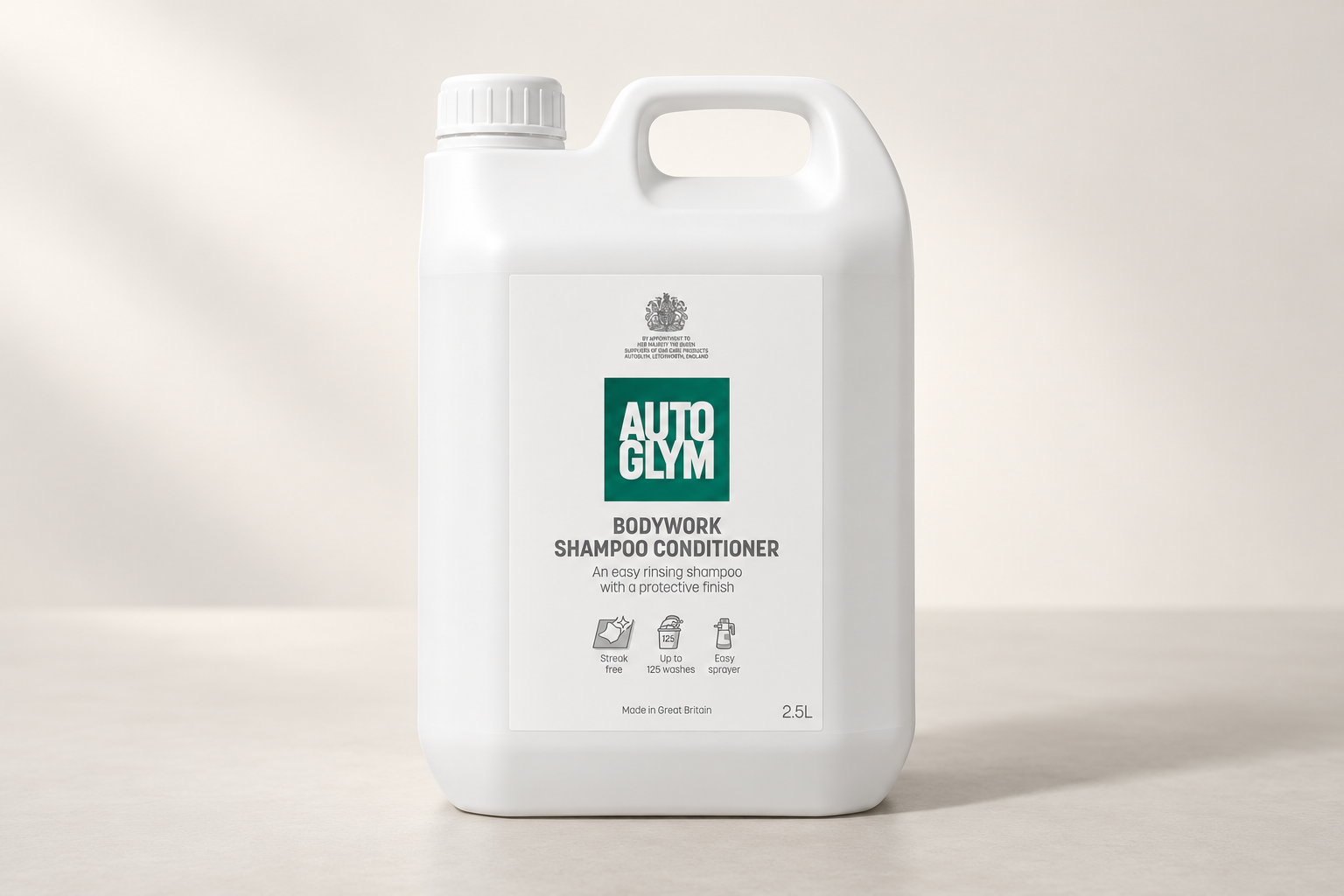
It cleans ordinary road film, leaving the bodywork ready for drying. The 2.5-litre bottle makes sense if you wash regularly, provided you still measure it instead of giving the bucket an enthusiastic glug.
The quieter foam is part of the formula, rather than evidence that the shampoo has stopped working. Autoglym’s directions and product description specify two capfuls in 10 litres and describe the rinse agent. Let that agent help the water run off, then dry the car properly.
Bodywork Shampoo is useful when you welcome that finishing effect. I’d choose the additive-free wash instead if I wanted to inspect the underlying protection without a fresh film influencing the water behaviour. Neither approach needs to turn into a cupboard full of shampoos; decide which routine you actually use most.
Best for washing and adding a wax finish in one step
Ultimate Wash & Wax suits a glossy daily driver when you want the wash to contribute a little finishing protection as well. Meguiar’s uses carnauba wax and synthetic polymers, and describes it as a maintenance wash between regular wax applications.
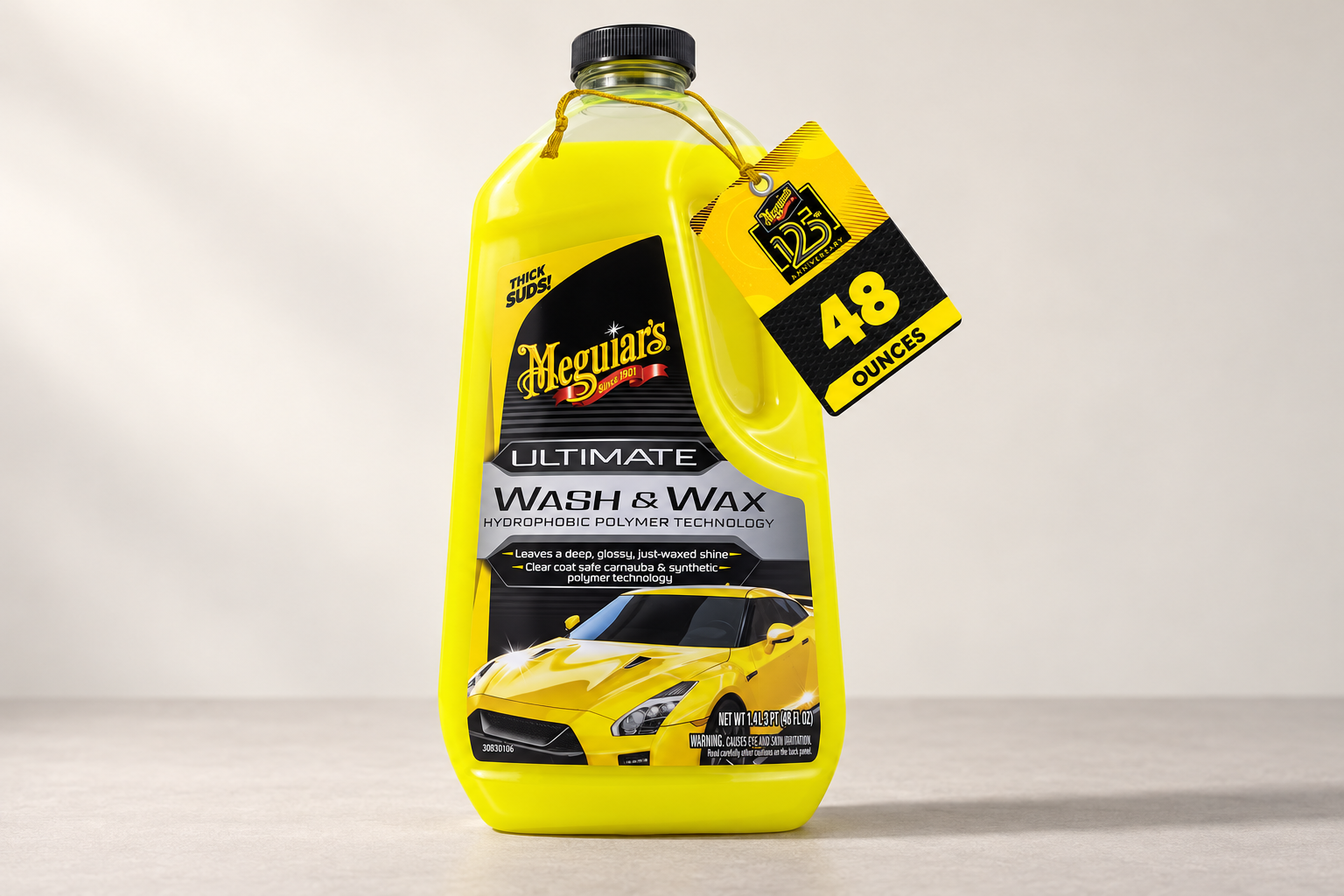
Use this wash-and-wax formula in a bucket after pre-rinsing, with separate tools for the wheels. I’d buy it for that uncomplicated clean-and-shine routine rather than as a coating-preparation shampoo.
The added wax is the reason to choose it. If your next job requires a residue-free surface for paint preparation, pick a wash that fits that preparation process instead. If you already have a coating and want to see its own finish, follow its maintenance advice before adding a wax-bearing wash.
Meguiar’s UK product page explains the wax/polymer role. Use the dilution printed on the UK bottle you buy; don’t transfer the capful count from the other shampoos. The linked larger pack’s value depends on the amount used per wash, not just the size of the container.
How I’d compare value per wash
The cheapest-looking bottle isn’t always the cheapest wash. You need the total delivered price, the volume in the bottle and the dose for the amount of water you actually use.
Washes per bottle = bottle volume in ml ÷ ml used per wash. Cost per wash = bottle price ÷ that number of washes.
For example, a 1,000ml bottle used at 20ml per wash gives 50 washes. If it costs £12, that’s 24p per wash. Those are example inputs, not a current price or measured dose for every product here. A larger bucket or a different bottle’s instructions changes the calculation.
If the directions use capfuls, measure your bottle’s cap once with a small measuring cup rather than inventing a conversion. Include the amount you really use in a second wash bucket if your routine needs one. A shampoo you consistently overpour will cost more than its label’s ideal wash count suggests.
A big container suits repeat washing and sensible storage. For an occasional owner, a smaller bottle that does the right job can be a better buy than years of concentrate sitting in the garage. I wouldn’t assign a budget winner without comparing the current pack price and dose together.
Foam, pH and the things that actually change the choice
More foam doesn’t tell you everything
A visible lather makes coverage easy to follow, but different formulas are designed to foam differently. Judge the process by whether you’re safely lifting dirt and rinsing the product off, not by whether the car resembles a bubble bath. A bucket shampoo and a dedicated pre-wash also do different jobs.
pH neutral doesn’t mean additive-free
Look at both cleaning chemistry and finishing ingredients. A shampoo can be pH neutral and still leave wax, polymers or a rinse film. If water behaviour changes after washing, that finish may be contributing. The coated-car washing guide explains how to keep maintenance and extra protection separate.
Hard water still needs a drying plan
A shampoo won’t stop water deposits being left when rinse water evaporates. Wash on cool panels, keep rinsing manageable and dry before the surface bakes. If you’re seeing white marks after an otherwise successful wash, check the rinse and drying stage before blaming the concentrate.
Matt paint needs an approved finish
Don’t automatically use a gloss-enhancing wash on matt or satin paint, a wrap or specialist film. Follow the finish supplier’s care instructions and choose a shampoo approved for that surface. A normal glossy-paint recommendation isn’t a universal permission for every exterior material.
The wash routine that makes a good shampoo worthwhile
Rinse loose dirt off before contact washing. Clean the wheels with separate tools so brake dust isn’t carried into the bodywork bucket. Work from the cleaner upper panels towards the lower dirtier areas, rinsing the mitt as needed rather than grinding a loaded mitt around the whole car.
Use the labelled dilution and don’t let the solution dry on the paint. In sun or drying wind, reduce the area you wash before rinsing. Finish with clean rinse water and a clean drying towel. Our two-bucket wash guide covers the working routine in more detail.
You can then inspect the paint without the flattering wet look hiding missed road film. Check the sills and around the number plate after the water has run off; those are easy places to miss while you’re admiring the bonnet.
If the car needs an extra finishing step, choose it separately using the spray-sealant guide. A shampoo that suits your protection and your washing habits is a more useful purchase than one chosen purely for the largest bottle or the thickest foam.