Some links in my articles are affiliate links. I may earn a commission when you buy through them.
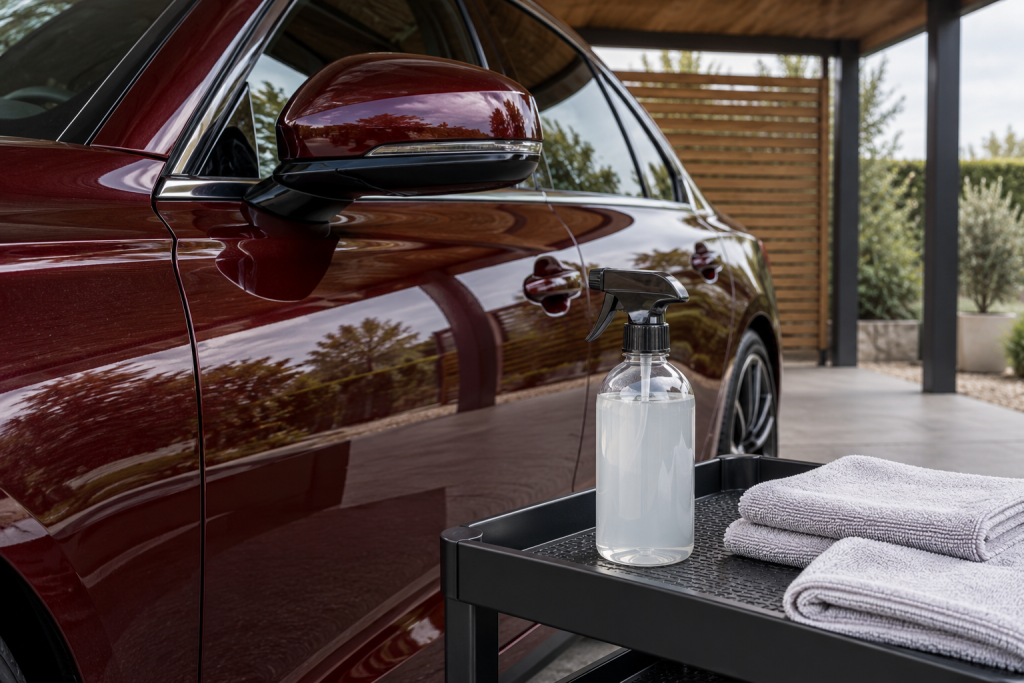
The car is only lightly dusty, but getting the hose out would turn a small tidy-up into an afternoon’s project. For occasional upkeep on compatible gloss paint, I’d start with Turtle Wax Hybrid Solutions Ceramic 3-in-1 Detailer: a 500ml spray that cleans light soil and leaves a ceramic-wax finish. If you regularly use a spray-and-cloth wash and prefer a carnauba finish, I’d choose the Greased Lightning Showroom Shine twin pack.
Keep either for light upkeep. Thick mud, coarse grit and salty deposits need loose contamination removing before you put a cloth to the paint.
My pick for occasional ceramic-wax upkeep
A compact 500ml ready-to-use spray, with a clear small-section method for clean or lightly dusted paint. A useful choice when you want a quick refresh and are happy to add its protective finish.
Before buying: Buy the Ceramic 3-in-1 Detailer, not the similarly named Ceramic Spray Coating. This is for light soil; dirty cars need a full wash first.
My pick for regular carnauba wash-and-wax upkeep
The linked twin pack supplies two 1L bottles. It suits a routine you already like and want to keep supplied, with separate wiping and finishing cloths.
Before buying: Both recommendations add a finish. Check specialist paint, film and coating aftercare before choosing either, and have plenty of clean cloths ready.
Why I’d start with the smaller ceramic detailer
Ceramic 3-in-1 makes sense for the owner who has a generally clean car and wants to freshen a dusty panel without mixing a bucket. Its ceramic-wax finish is useful if that is the upkeep you want; you can clean the light film and finish the area in the same session.
Turtle Wax’s UK directions give a working area of 2ft by 2ft, roughly 60cm by 60cm. Spray that section, wipe across it, then turn the towel to a clean area for the final buff. That size is a starting reference, not an instruction to keep using the same cloth face until you reach the edge. Turn sooner if it has collected dirt.
Keep a fresh cloth face for the last buff. Look across the dry paint from the side before moving on; a broad, wet-looking shine can hide a trace you have only spread around. The 500ml bottle is also easier to commit to when you are still finding out how often a waterless clean fits your car.
When the Showroom Shine twin pack makes more sense
Showroom Shine is the one I’d consider once spray-and-wipe upkeep is a regular part of the routine. The twin pack gives you 2L of ready-to-use liquid, so the second bottle can stay with your supplies while the working bottle is in use. Its carnauba wash-and-wax finish is a different finishing choice from the ceramic detailer above.
The maker’s application sequence is straightforward: spray the section, lift dirt with one microfibre cloth, then buff with a second. Keep those jobs separate. A cloth that has just collected a dirty film from the lower door is a poor choice for the last pass over the clean paint.
Check the lower panels before choosing a waterless wash
The bonnet can look ready for a quick wipe while the lower doors tell a different story. Look behind the wheels, along the sills and across the back of the car. You may find light dust above a much heavier deposit below.
If there are visible grains, mud ridges or a crust of winter road dirt, arrange a pre-rinse or a full wash. Don’t rub a finger across the paint to see how gritty it feels. You already have enough information from what is sitting on the surface to stop before making contact.
A bucket-based rinseless wash is another option when you can carry water to the car but cannot use a hose. It still needs the right soil conditions. The rinseless-versus-waterless comparison helps you choose the setup; neither method makes heavy grit disappear before a towel touches it.
Have more clean cloth available than the bottle suggests
Waterless washing moves the dirt into the cloth. The bottle can still be nearly full when you have run out of clean material to work with. Lay out fresh towels and somewhere separate to put used ones before starting.
Fold a towel into quarters so it sits flat in your hand. Use one exposed face, turn it, then unfold to find clean material as needed. If dirt or moisture has travelled through the fold, retire the towel rather than treating every nominal face as fresh. Let the product do the wetting; keep your hand light instead of scrubbing a reluctant mark.
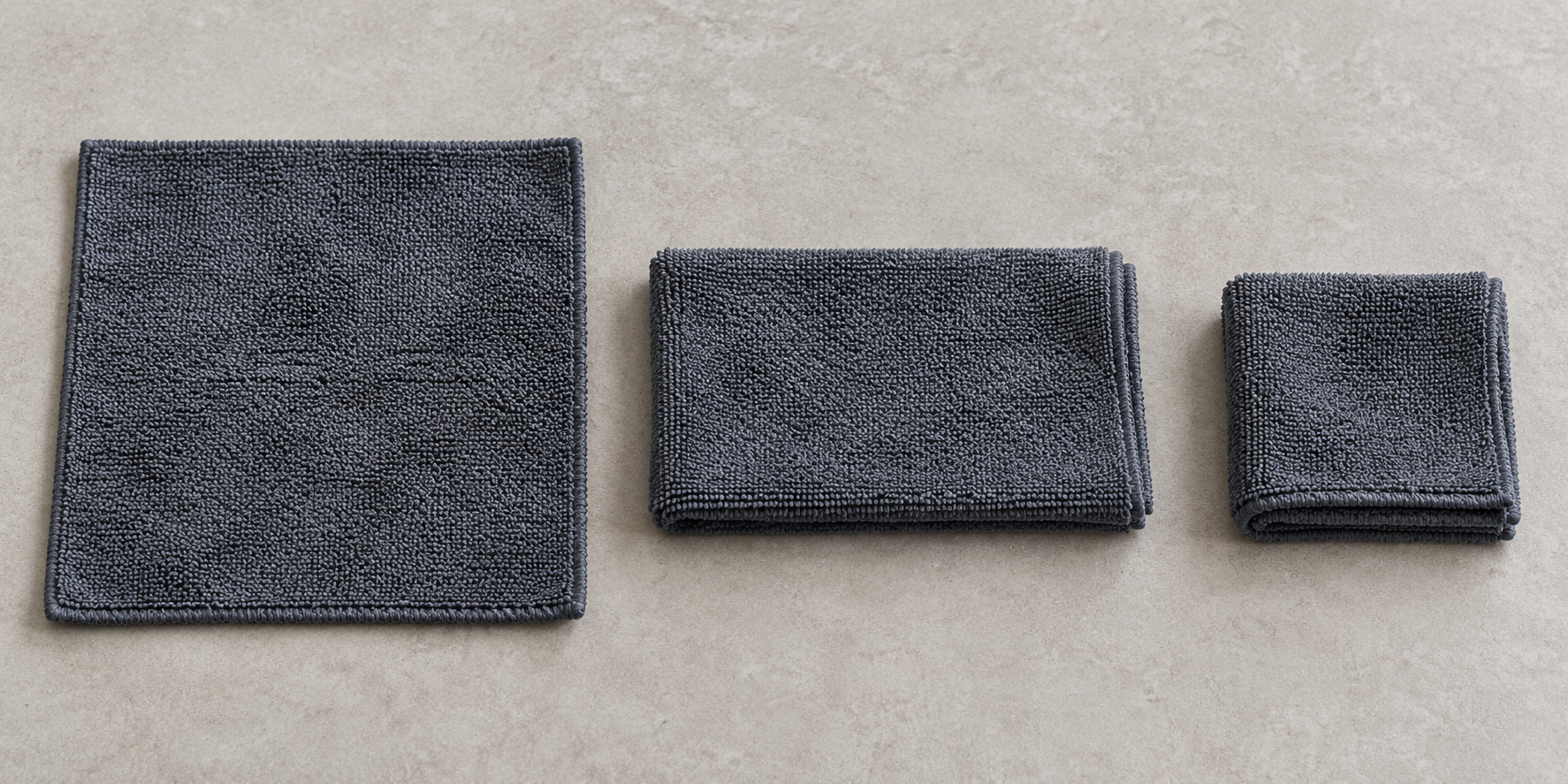
Keep wheel and sill cloths away from the paint-finishing pile. The microfibre guide helps with towel choice, and the washing instructions help you leave the next set ready.
Choose the finish as well as the cleaning method
Both picks leave protection behind. That is convenient for upkeep on a finish that accepts it, but it changes the buying decision if you are trying to preserve a particular coating’s behaviour or prepare paint for new protection.
For a coated car, check the aftercare system before adding a wax or ceramic detailer. “Ceramic” on two bottles does not establish that they are interchangeable. The coated-car washing guide explains how extra products can complicate your assessment of the surface.
For matte or satin finishes, wraps and PPF, choose expressly supported aftercare. I would not use these gloss-focused recommendations as blanket permission. If you are about to polish or coat the car, follow the preparation sequence rather than giving it a wash-and-wax finish first.
If the final wipe leaves a smear
Stop and check the cloth before adding more spray. A loaded face can spread residue across an otherwise clean section. Change to clean material and look at the dry panel in angled light; keep any remaining dirt-removal pass separate from the final buff.
Work a smaller section if the product is becoming difficult to remove before you finish it. Move into shade and let hot panels cool. If a mark is still there, identify it before increasing pressure: sticky tar, a chip and dried residue call for different next steps.
Put the dirty towels aside for washing and keep the working bottle with the clean supplies for next time.