Some links in my articles are affiliate links. I may earn a commission when you buy through them.
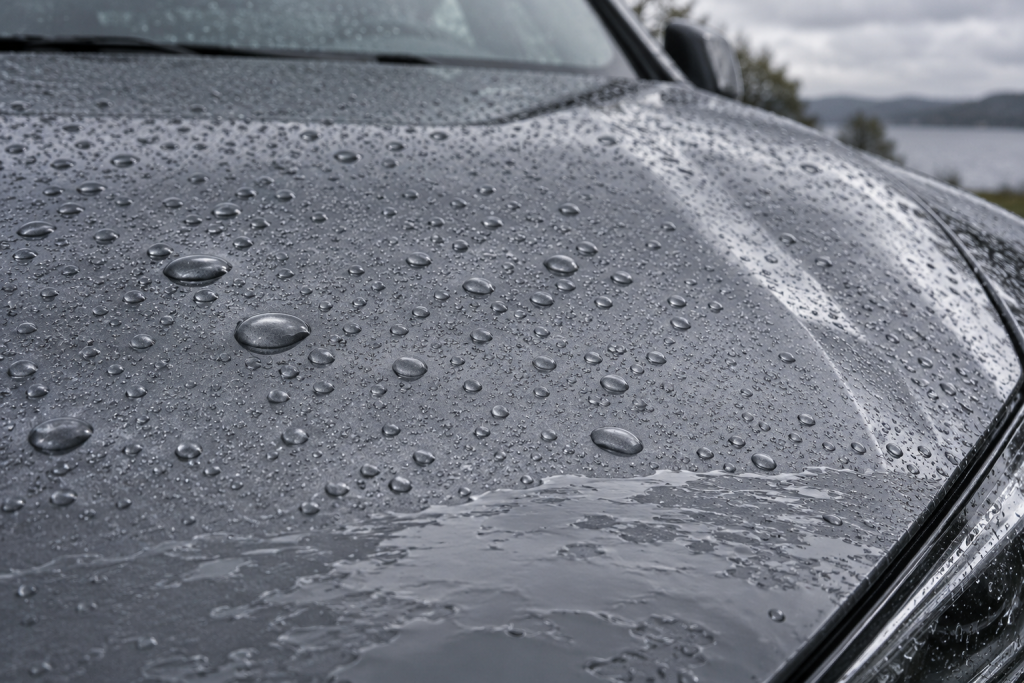
The beads looked brilliant after coating the car, and now water seems to hang around on the lower doors. It is tempting to order another bottle straight away. I’d first clean the surface properly and check what has changed: poor beading can prompt an investigation, but it doesn’t tell you by itself how much coating remains.
Wash with a compatible shampoo that adds no new protection, rinse thoroughly, then assess the clean surface before applying a booster. Check for road film, mineral deposits and product residue. Use targeted cleaning only where the contamination and coating instructions justify it. Persistent changes can warrant advice or recoating, but beading alone is not a reliable coating-thickness or remaining-life measurement.
Find out what is actually on the paint
Start with the product name and application date. A spray sealant, a cured coating and a coating with a separate topper are different starting points. If someone else prepared the car, ask which products they used. A receipt saying ceramic protection may not tell you enough.
Then list what has gone on since: wash-and-wax shampoo, drying aid, quick detailer, rain repellent overspray or a maintenance spray. The topmost residues or protection can influence the water you see, so you may be judging a mixture of layers rather than the original coating alone.
An early change just after application belongs with the maker’s curing advice. Don’t perform an aggressive diagnostic wash before washing is permitted. Use the curing and first-wash guide to establish that boundary.
Compare like with like
Look at where the change occurs. Lower doors experience different grime from a roof; a flat bonnet drains differently from a vertical wing. Comparing one with the other can make the result look more mysterious than it is.
If you have a record from earlier washes, compare the same area with similar water application after the surface is properly cleaned. Even then, regard the result as an observation about water behaviour, not a precise measurement of coating life.
Don’t test by repeatedly misting a dirty panel and letting it dry. That adds another variable and can leave new marks. Complete the wash and rinse, make the observation you need, then dry the car.
Give the coating a straightforward wash
For Gtechniq’s coating system, Gtechniq GWash is a sensible starting point because it is the maker’s recommended maintenance shampoo without added protective ingredients. Check the selected bottle: the plain version and the ceramic version have different purposes.
Use the measured dose, loosen dirt first and keep the wash media clean. If a film remains after a hurried wash, repeating the same quick pass with more shampoo may not solve it. Work through the coated-car wash routine, particularly the lower panels and final rinse.
When the clean surface behaves better afterwards, you have evidence that cleaning helped. You haven’t established how many months of coating remain, but you also haven’t found a reason to strip the whole car immediately.
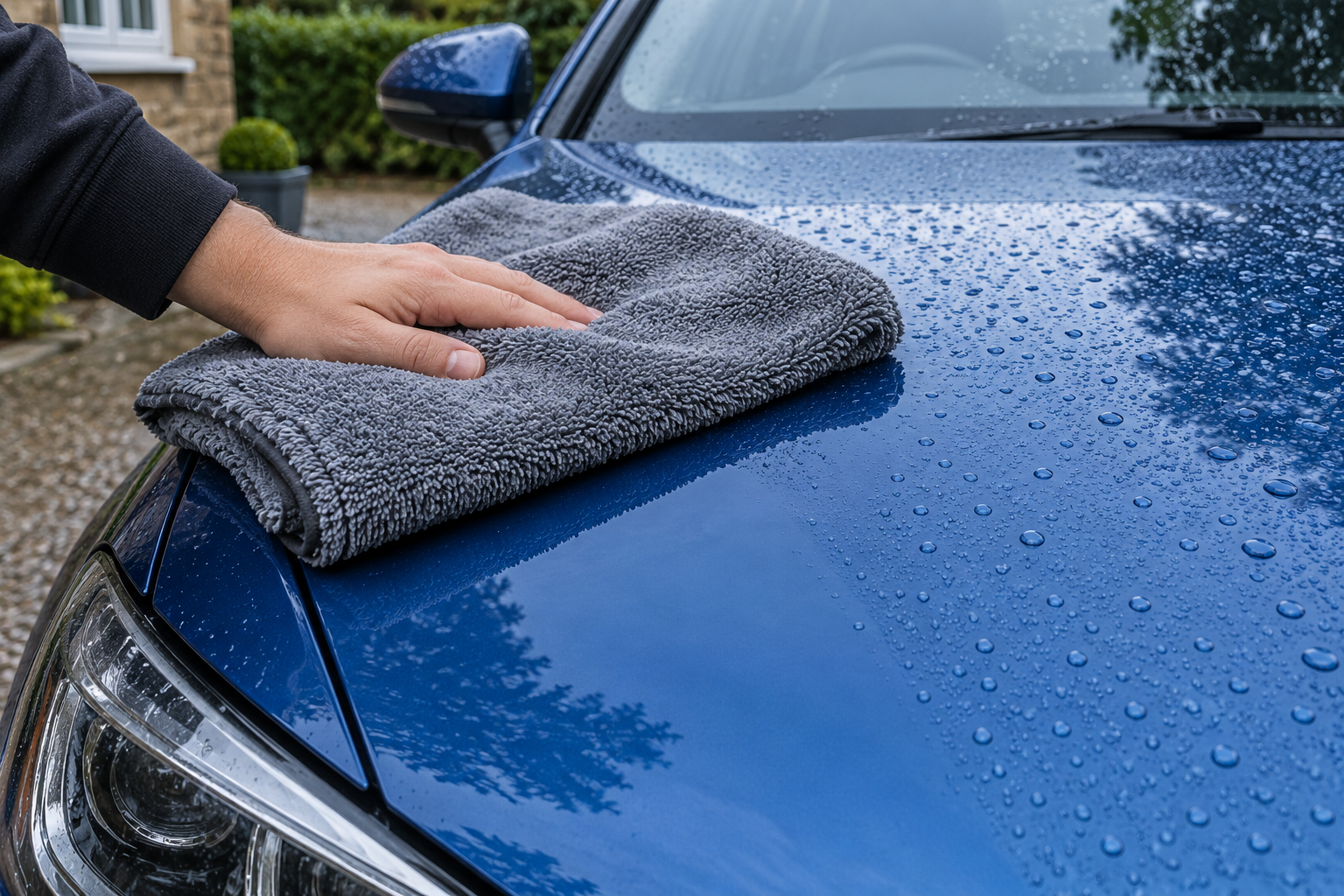
Inspect for specific contamination
Once the surface is clean, look for the deposits that ordinary shampoo has not removed. Small rust-coloured specks suggest an iron-contamination check; sticky black dots suggest a tar-removal check; dried rings may be mineral deposits. Appearance is a starting clue rather than a definitive diagnosis.
Gtechniq W6 is a suitable product route for iron contamination where the coating and surface permit it. Look for evidence of deposits before adding an iron-removal stage. Use the iron-remover guide to decide when that extra stage is justified.
For mineral deposits on a compatible established coating, Gtechniq W9 is another targeted option. Follow the actual bottle and current maker directions for application and removal, and assess a small area before expanding. It is a deposit remover, not a way to repair etched paint or level a cured coating high spot.
Don’t apply every decontamination product in sequence simply to see whether one makes the beads return. That uses more product, exposes more surfaces and makes it harder to know which step helped. Choose a likely cause, use the appropriate method, then inspect again.
Keep clay and polish out of the first attempt
Clay and abrasive polishing introduce a different level of intervention. They can change the surface and may affect the existing protection. They are not the first diagnostic step when the only symptom is flatter water droplets.
If the paint has stubborn contamination or visible defects, decide whether you are now preparing for correction and recoating. That may be a worthwhile project, but it is a different job from a routine maintenance wash. My coating-preparation guide helps plan that transition without buying duplicate products.
For visible dark smears that originated at application, read the high-spot guide. A residue problem from installation is different from a coating that has gradually collected road film.
What a booster can and cannot tell you
A compatible topper can restore the water behaviour and finish you enjoy. If that is your practical goal, choose the one recommended for your coating and apply it to a suitably clean surface. You don’t have to turn every maintenance wash into an experiment.
However, good beading after adding protection demonstrates the new surface behaviour. It does not prove the older coating underneath has recovered. If you’re assessing the original installation, record which topper you’ve added and when.
If the coating has a professional care plan or warranty, contact the installer before using unapproved treatments or polishing. Bring the product details, application date, wash routine and clear photos. Those give them something useful to assess beyond a single video of water on a dirty door.
When I would consider recoating
I would consider a planned refresh when appropriate cleaning has not delivered a finish you’re happy with, the coating is well into its service life, or you’re already correcting defects that will disturb the protection. That decision can be based on how you use and maintain the car, rather than waiting for one dramatic beading test.
Gtechniq Crystal Serum Light gives an even appearance when applied thinly to prepared paint. Before buying it for a refresh, though, check that you can provide its required application and curing conditions. Allow space and time for the fresh application and cure.
For a less involved maintenance choice, see spray sealants. For a full preparation and application plan, return to ceramic coating at home. Keep the cleaner, topper and full recoat as three separate purchase decisions so you buy what the car needs now.