Iron Fallout Remover: When Your Car Actually Needs It
Some links in my articles are affiliate links. I may earn a commission when you buy through them.
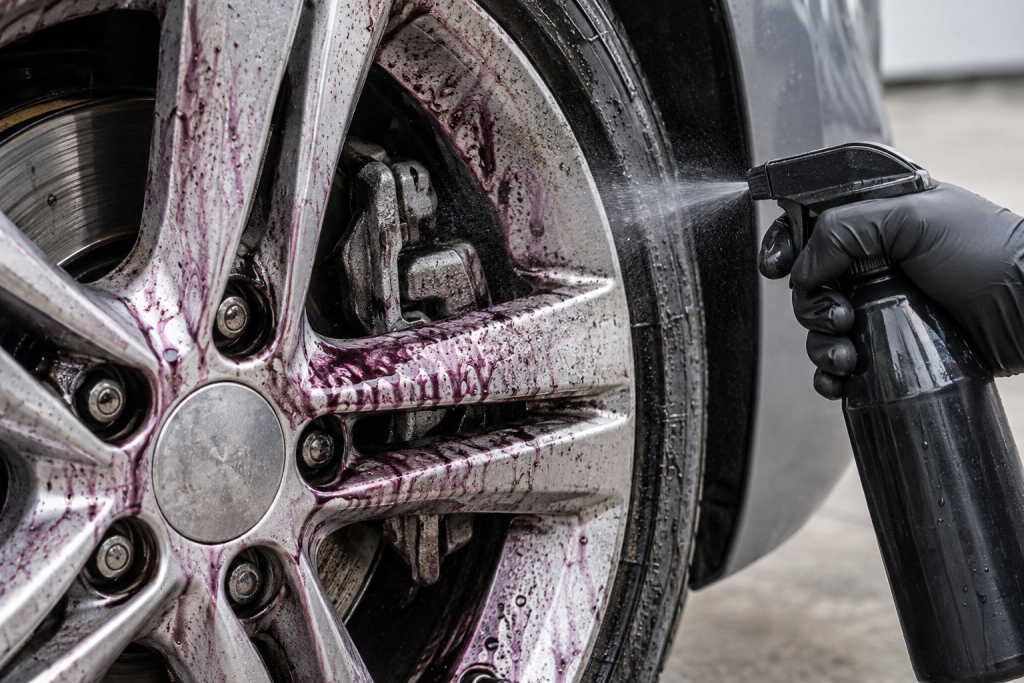
Tiny particles left after washing can make clean paint look or feel unfinished. An iron remover is useful when those deposits are the problem. Magma helps with stubborn specks that shampoo leaves behind; the worthwhile check comes after rinsing, when you can see what has changed.
Start with the clean surface
Wash away ordinary dirt, then inspect the remaining contamination. Orange or brown specks can suggest iron deposits, but identify the surface and marks before treatment. Wheels and painted panels may have different product requirements.
Check compatibility with the finish, coating or film. Work cool surfaces in conditions where you can keep the product from drying, with rinse water ready before you apply it.
Let a small area guide the next step
Choose a suitable area where the particles are easy to identify. Apply the remover by its directions, allow its working time and complete the specified agitation and rinse method. Keep watching the surface throughout.
Magma can make stubborn marks less noticeable without repeated rubbing. A dramatic colour reaction may show chemical activity, but it is not a score for how well the whole car has been detailed.
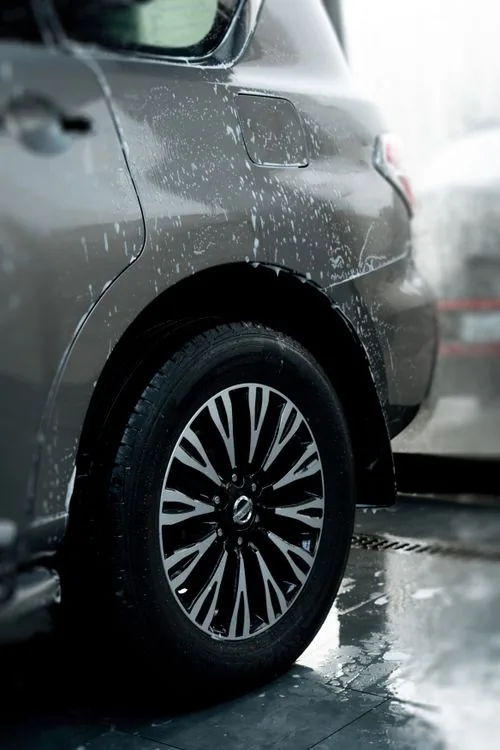
Rinse fully, then inspect again
Clear residue from recesses and panel edges, then assess the treated area after the water drains and the finish can be inspected properly. If the particles have gone, that stage has answered the problem.
If different marks remain, choose the next step by what they are. Sticky black dots may need tar removal. Bonded roughness remaining after appropriate chemical treatment may justify a small clay test. A mark within the finish needs a different assessment.
How often should you use it?
Base the decision on the car’s condition and preparation needs. A vehicle exposed to frequent contamination may need attention sooner than one that stays cleaner. A fixed “every wash” rule is not a useful substitute for looking at the surface.
For a protection or correction job, include iron removal where the preparation system calls for it. For routine maintenance, inspect and treat relevant contamination without adding unnecessary stages to every clean.
Think about coverage and rinsing when buying
Choose enough product for the areas you actually intend to treat, with a sprayer you can control. A large vehicle or a full preparation job can consume more than a small targeted treatment. Compare the usable amount rather than the bottle’s size alone.
Keep the method organised: one manageable area, the correct working time, a thorough rinse and inspection. If you cannot provide the rinse required by the product, arrange that before starting.
For suitable paint and wheels with iron contamination, Magma is a useful option. The wash routine gives you the clean starting point needed to decide where it belongs.