Some links in my articles are affiliate links. I may earn a commission when you buy through them.
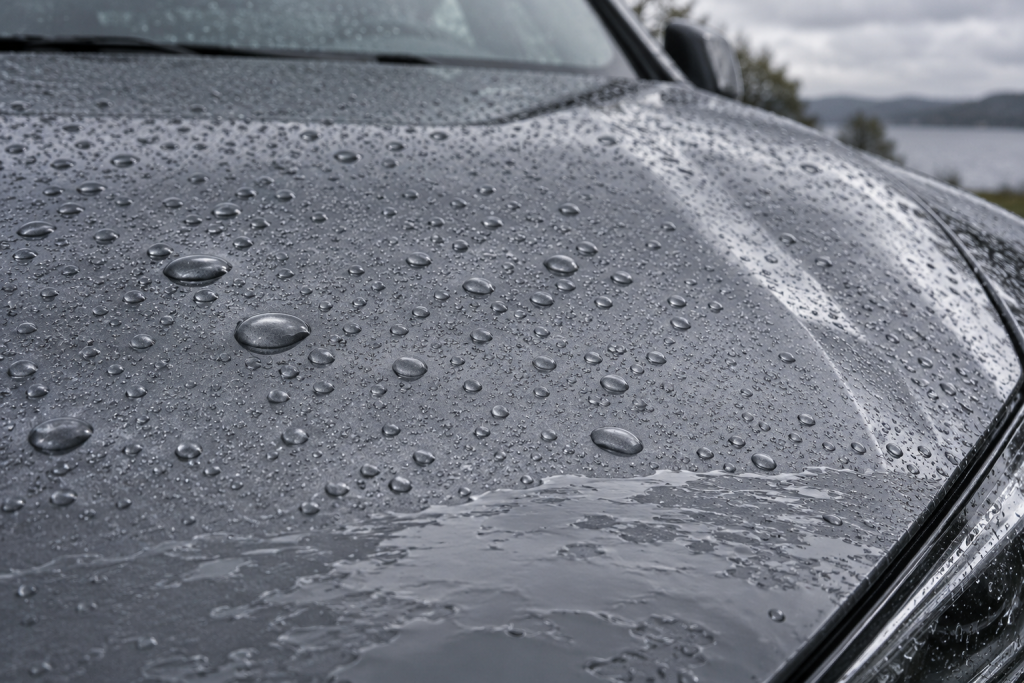
A ceramic booster is a maintenance spray that adds water repellency and gloss over an existing coating. Give the car a proper wash before using one: road film can flatten beading on a coating that’s still working.
Products called ceramic detailers, toppers and spray sealants can do a similar job. Check whether the bottle is intended for your coating and whether you apply it wet or dry.
Wash first, then see what needs attention
Work on cool paint in the shade. Use a coating-compatible shampoo without added wax or sealant, rinse thoroughly and watch how water leaves each panel. Skip rinse sealant for this wash too, so you can assess the coating underneath. Follow the coated-car washing routine if you need the full method.
Dry the car and look closely at the areas that aren’t clearing water well. Are there tar spots along the sills, a rough feel on the lower doors, mineral marks or greasy smears? The stopped-beading guide helps you work through these before deciding the coating has failed.
Remove deposits that are actually there. Use a coating-compatible fallout remover for iron contamination or the tar-removal method for tar, keeping within each cleaner’s dwell and surface limits. Don’t clay or polish a coated car just to perk up the beads; you can mar the finish or remove coating.
If the wash restores the beading, leave it there unless the coating’s care plan calls for a top-up. If you do add a booster, remember that the new beads show how its fresh layer behaves. They don’t tell you how much original coating is underneath.
Check the coating and the bottle
Find the coating name on your invoice or ask the installer. If it has a warranty care plan, use the specified products and keep up with any required inspections.
- Where can it go? Approval for glossy paint doesn’t automatically include matte paint, glass, plastic trim, wraps or paint-protection film.
- Does it go on wet or dry? A spray-and-buff product and a spray-and-rinse sealant need different methods. Have the right cloths or water supply ready before you start.
- Has the coating finished curing? Keep to the installer’s initial care instructions. The curing-time guide explains planning around rain and early washing.
How to apply a dry-paint booster
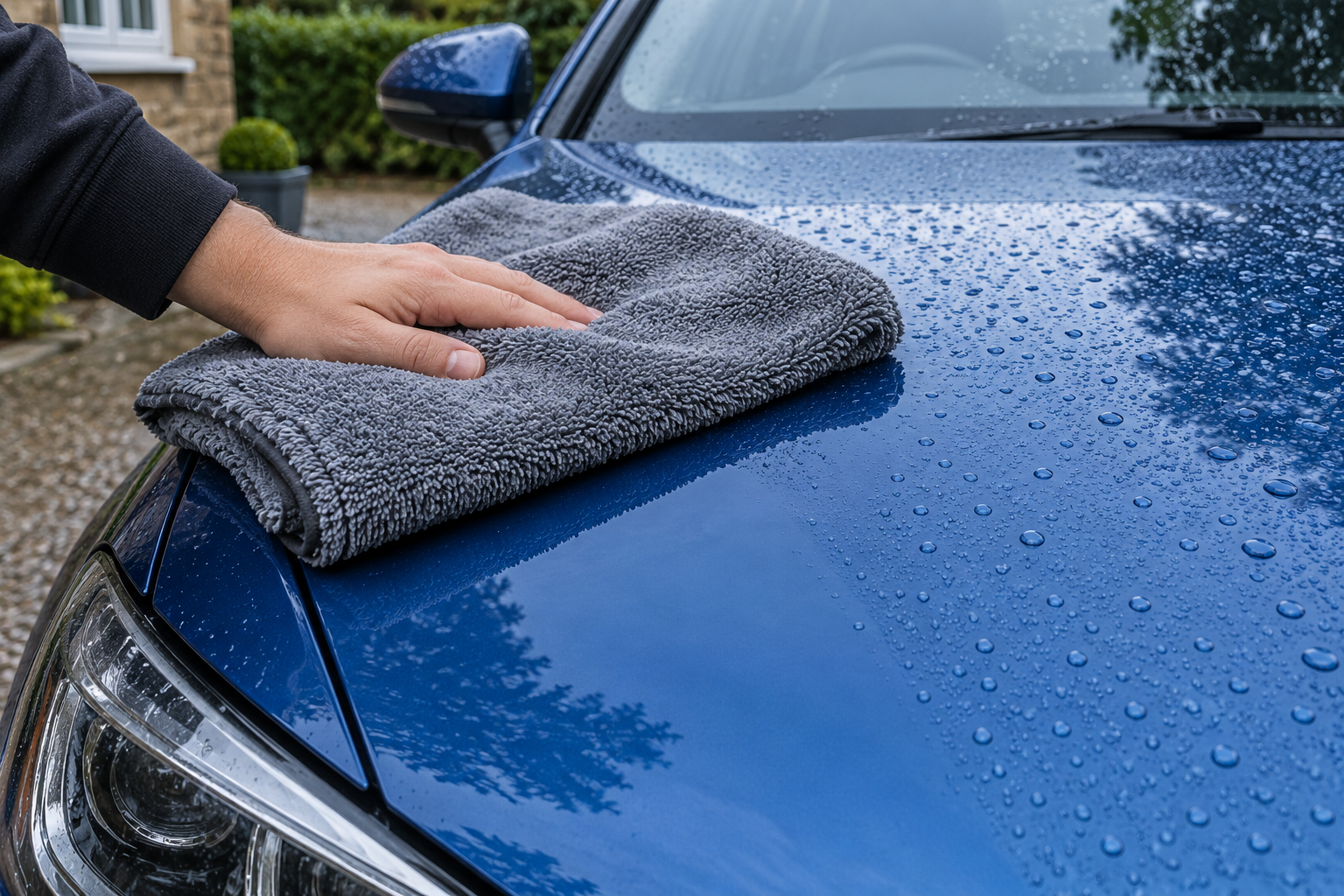
This method is for a booster whose instructions allow application to dry paint. Start with the car clean, dry and cool. Set out two clean microfibre cloths: one to spread it and another to finish. Good light helps you catch a smear before you’ve covered the whole car.
- Try a small section first. Start on part of a panel rather than spraying the whole bonnet. Use the amount on the bottle. If it allows spraying onto the cloth, do that near glass and trim to keep overspray off them.
- Spread it evenly. Aim for a light film across the section. Don’t keep spraying because the paint no longer looks wet; check the coverage and buffing instructions first.
- Buff when the instructions say. Use your second cloth, turning to a dry face as you go. If it starts pushing wet streaks around, change cloths rather than pressing harder.
- Look from both sides. Check along the panel’s reflection for oily lines or patches. Get this first section clear before repeating the method around the car.
- Allow any required drying or curing time. Check water-exposure limits before taking the car outside. Some sprays buff off straight away; others need a different finish.
If your product is a wet spray-and-rinse sealant, use its wet method instead. Keep the hose ready, work on cool panels and rinse at the specified stage. Don’t let it dry while you fetch another tool.
Streaks, smears and awkward patches
Wet streaks that follow the cloth: stop spraying and try a fresh, dry cloth face. A towel loaded with product will keep spreading the excess. Reduce the amount on your next test section if you’ve been laying it on heavily.
Dried patches that won’t buff clear: leave the rest of the car for now. Check the maker’s removal advice and test it on the affected patch. Don’t try solvents or compound on an unidentified product.
Rainbow or raised patches after a new coating installation: contact the installer or check the high-spot guide. These can be coating left too thick during application. Polishing them can remove the coating as well.
How often does it need topping up?
Start with the coating’s care plan and the booster’s stated interval. Between applications, judge the car after washing. If it’s clean, easy to dry and behaving well, adding more spray may only give you extra buffing to do.
Note what you used and when. If the finish becomes smeary after several top-ups, stop layering different products and clean it before deciding what to use next.
When another spray won’t help
A booster won’t remove scratches or repair etching, and it can’t replace coating that has worn away. Even beautifully beading paint can collect water spots when droplets dry and leave minerals behind; use the water-mark checks to distinguish deposits from etching.
If washing and decontamination don’t resolve the problem, show the installer photos and a list of the products you’ve used. If the car needs recoating, work through the paint-preparation guide before applying fresh protection.