Some links in my articles are affiliate links. I may earn a commission when you buy through them.
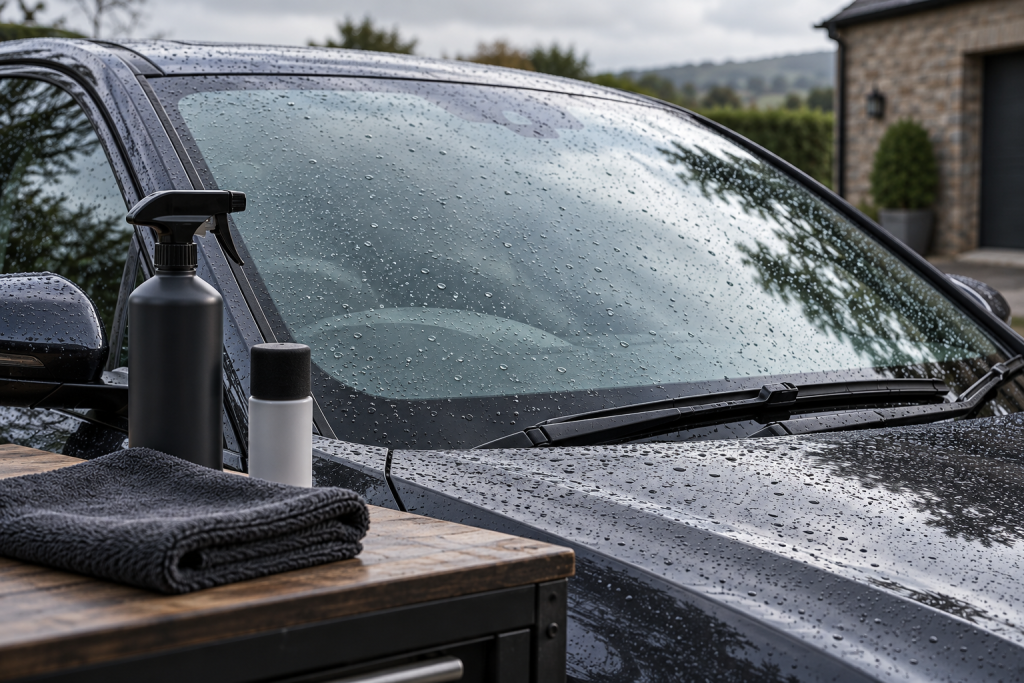
Choosing a windscreen rain repellent gets confusing when the shelf mixes cleaning sprays, roll-on coatings and anti-fog treatments. For the outside glass, I’d start with how you want to apply it: a quick spray during a regular clean, or a separate coating session with dedicated preparation.
For straightforward upkeep on permitted exterior glass, my first pick here is Rain-X 2-in-1 Glass Cleaner + Rain Repellent. Its spray-and-wipe method combines cleaning and water repellency without a separate wait-for-haze stage. For a deliberate glass-coating session, I’d choose SOFT99 Glaco Roll On Large: the built-in applicator gives you controlled contact with the pane, followed by a defined removal stage. Budget time for its dedicated glass preparation as well.
Regular spray-and-wipe upkeep
A combined cleaner and repellent that fits an ordinary glass-cleaning session.
Before buying: Choose the 500ml glass product, and check permission for any existing specialist coating.
A separate coating session
An integrated applicator for working across prepared, dry glass, with a timed wipe-off stage.
Before buying: Choose Roll On Large 120ml; its preparation and removal differ from other Glaco variants.
Choose for the job the glass actually needs
If the windscreen is smeary before you start, establish where the film is. Interior haze, dirty exterior glass and an uneven existing treatment can all spoil the view, but they need different work. A new exterior repellent will not clean the inside for you. Start with the glass-cleaning method if you are still chasing ordinary dirt.
A repellent is an optional addition after those basics. I’d consider one when I want a water-shedding finish on suitable exterior glass and can maintain it alongside the wash. Clear glass, working washers and sound wiper blades remain part of the routine. Don’t buy on the promise that you can stop using the wipers.
Think about where you work, too. A sheltered space and a comfortable reach across the windscreen make a separate coating session much easier to complete. If you have a short wash window and the car lives outdoors, the simpler spray route may be the more practical purchase.
Rain-X 2-in-1 for a regular glass-cleaning routine
Rain-X 2-in-1 is the bottle I’d start with for convenient upkeep. The current UK method is to spray onto the window or a cloth, wipe with a dry cloth and repeat where dirt remains. There is no separate polishing stage in that method. You can work one pane, finish it and move round the car.
The useful part of that combined role is the small amount of equipment it needs: the spray and properly clean glass cloths. Keep a fresh dry face ready rather than asking the same damp, loaded patch to spread the product and leave the final finish. A cloth that has touched dashboard dressing belongs in a different pile.
My final checks with this spray are the wiper sweep, the upper edge and the view from the driving seat. Those are the places where a remaining smear becomes much easier to spot. A little water can show the repellent effect, but inspect the clear, dry view as well; attractive droplets alone do not tell you whether the residue is gone.
The linked bottle is the 500ml 2-in-1 glass cleaner and rain repellent. Rain-X also sells dedicated treatments, anti-fog products and washer additives. Their names are close enough to make a hurried purchase confusing, so compare the exact label and application method rather than buying by the yellow branding alone.
Glaco Roll On Large for deliberate applicator work
Glaco Roll On Large suits a session where you want to work the coating across prepared glass with the applicator attached to the bottle. That lets you see and control the contact area without spraying the surrounding trim. I’d choose it when I can give preparation, application and removal their own time.
Soft99’s method starts with a thorough wash and dedicated glass preparation. The coating then goes onto dry glass. After application, its instructions specify five to ten minutes before removing residue with a slightly damp cloth, followed by a separate clean dry wipe. Have both cloths ready before opening the bottle.
For the preparation and full sequence, use the application guide.
I pay attention to the upper edge and the full wiper-swept area when finishing this sort of application. Change your viewing angle once it is dry. A patch that disappears while you look straight through the centre can still show in a reflection from the side.
Check the surface before choosing either bottle
Establish whether you have ordinary exposed automotive glass, an existing specialist coating or an exterior film. A treatment intended for glass should not automatically be carried onto a plastic window, camera lens or coated mirror. The car or surface maker’s instructions decide whether an additional chemical treatment is appropriate there.
Inside and outside are separate decisions. These recommendations concern permitted exterior glass; they are not an interior anti-fog routine. If the inside keeps clouding while the car is parked, use the condensation checks before buying another exterior product.
An existing professional glass coating also changes the purchase. Check its approved maintenance route first. Using an abrasive preparation product may remove a layer you wanted to retain, and applying a different repellent over an unidentified coating gives you another variable if the finish becomes uneven.
Allow for preparation and clean cloths
For the separate coating route, Glaco Glass Compound Roll On is one of Soft99’s named preparation options. It is an abrasive glass cleaner, not the water-repellent layer. Its instructions include washing first, keeping the compound from drying completely and rinsing it away thoroughly. Only use that preparation where the particular glass and any existing finish permit it.
Keep the preparation rinse separate from the later requirement for dry glass. Water caught beside a seal can wet the applicator just as you reach the edge. Finish washing and rinsing, dry carefully, then check the corners before starting the coating.
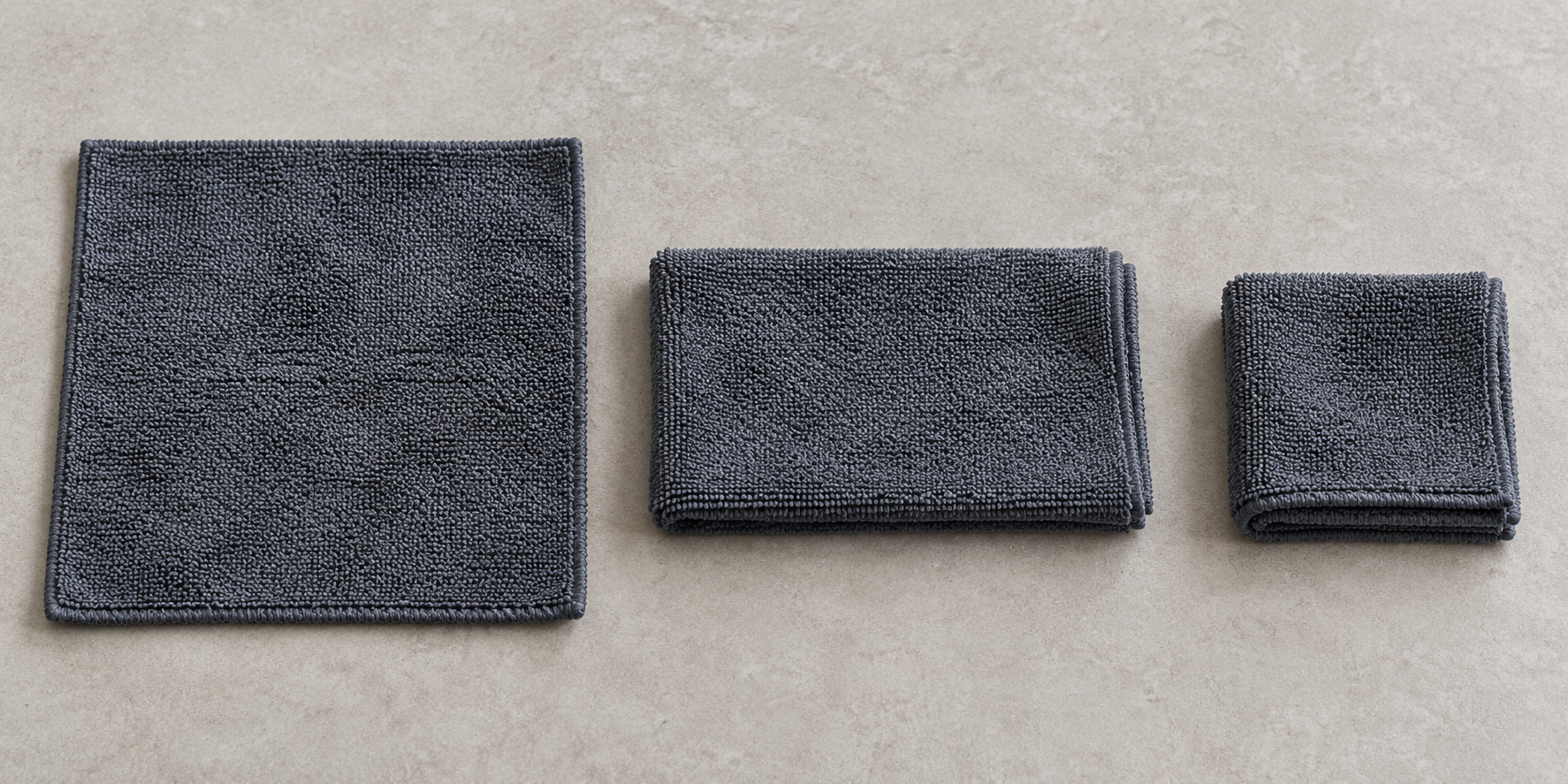
If the glass needs ordinary cleaning rather than a treatment, the glass-cleaner choices are the more useful purchase. Buy the preparation and coating together only when you have confirmed that both belong in the job.
Judge the finish through the windscreen
The useful final result is a clear view through the pane after the application is finished. Check in angled daylight, from outside and from your normal seating position. Pay particular attention to the areas near the resting blades and the edges of their sweep.
If you find haze or a smear that follows the wipers, use the after-treatment checks before adding another coat. Identify the film and complete the correct removal stage first. Repeatedly adding product can make it harder to work out what is left on the glass.