How to Wash Matte Car Paint and Keep the Finish Even
Some links in my articles are affiliate links. I may earn a commission when you buy through them.
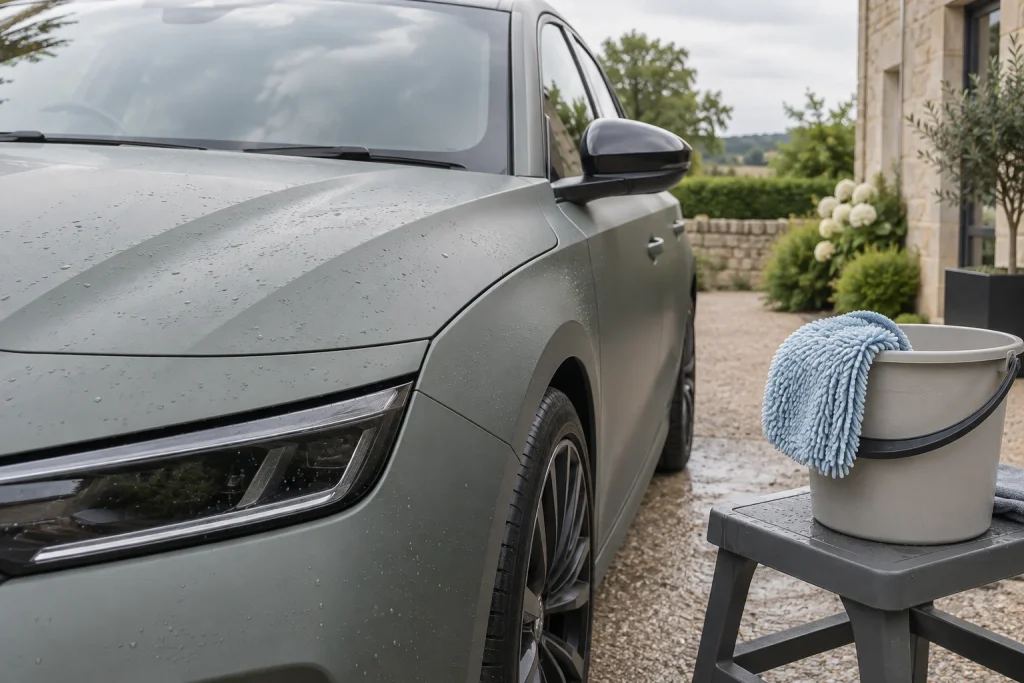
With matte paint, a good clean means preserving the finish’s even appearance. Start by confirming whether you have paint, a wrap or film, then choose products approved for it. That decision needs to cover the whole routine, including any drying aid or finishing spray.
Choose the shampoo for matte or satin paint
Autoglym Foaming Car Wash has explicit matte and satin suitability from its maker, making it a useful option to consider alongside the vehicle’s care instructions. It is a different bottle from the brand’s gloss-oriented conditioning shampoo.
Keep conventional gloss polishes, waxes and unapproved quick detailers out of the routine. One suitable shampoo doesn’t make every product used after it suitable too.
Inspect and rinse before contact
Work cool panels in suitable shade. Identify any marks, damage or vulnerable film edges before using a pressure washer. Follow the surface maker’s jet, distance and edge guidance.
Rinse loose grit and contamination thoroughly. Use separate wheel tools and keep heavily soiled lower areas away from the clean bodywork media. If a particular deposit needs a specialist treatment, choose one supported for the exact finish.
Keep the contact wash gentle and controlled
For Foaming Car Wash, the maker specifies two capfuls in 10 litres of water. Use clean, soft wash media, small sections and light contact, rinsing the tool or changing to a fresh one as it loads up. Work from cleaner upper areas towards the lower panels.
Rinse before the solution dries. In warm or breezy conditions, shorten the section rather than trying to complete the whole side at once. Make sure cleaner is removed from joins and recesses.
Dry without adding an unwanted finish
Use clean, suitable drying towels and controlled light contact. Have smaller cloths for mirrors and edges, with a reserve ready if the first towel becomes saturated.
If you want a drying aid, confirm it is supported for the actual finish. Otherwise keep the drying method within the vehicle’s instructions. A product sold to create extra gloss may work against the appearance you are trying to preserve.
Read a remaining mark before treating it
| What remains after cleaning | The next useful check |
|---|---|
| Pale residue or rings | Product residue or mineral deposits, with a matte-compatible removal method |
| An oily-looking patch | Previous dressing or an incompatible deposited product |
| A permanently shinier area | Whether the surface has been physically altered |
| A mark near a wrap edge | The film’s condition and maker’s treatment requirements |
Avoid polishing a stubborn patch to make it disappear. A changed sheen may be harder to address than the original deposit. Identify the cause and use finish-specific advice before trying another treatment.
Build a small, clearly separated kit
Keep the suitable shampoo, clean wash media and drying towels together, with any approved finishing product labelled for that routine. This is especially useful if you also maintain a gloss-painted vehicle or detail different customer cars.
For compatible matte or satin paint, Foaming Car Wash is the shampoo option I’d investigate first. Pair it with the controlled drying routine and water-spot prevention advice, keeping the surface’s own care requirements throughout.