Some links in my articles are affiliate links. I may earn a commission when you buy through them.
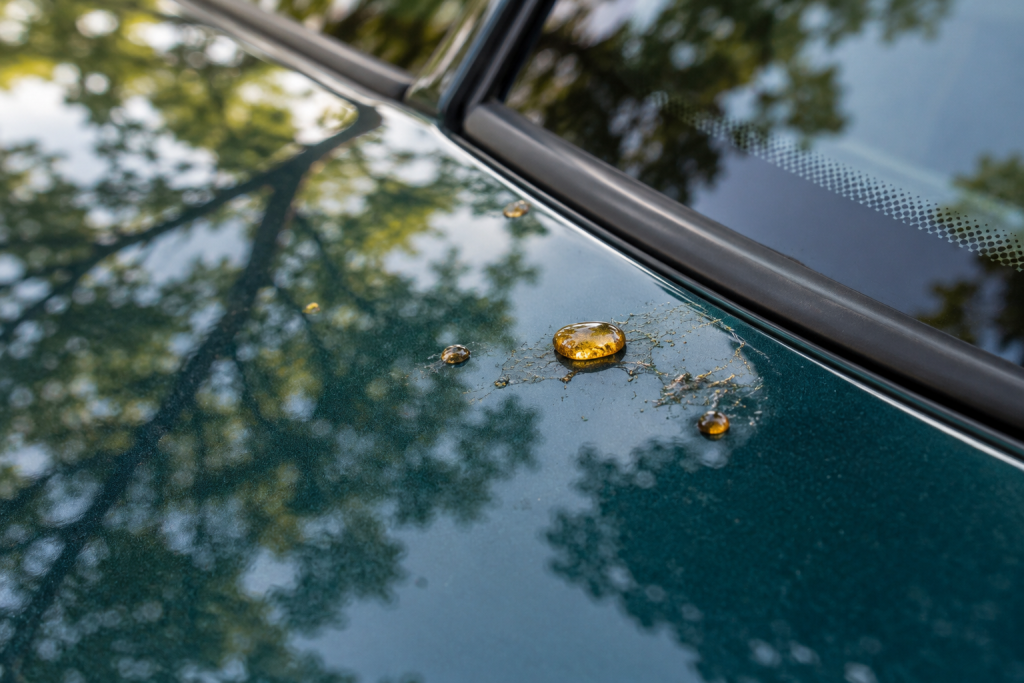
You spot a sticky patch after parking under a tree, give it a wipe and somehow end up with a much bigger sticky patch. I’d soften and lift the deposit first. Scrubbing it with the wash mitt spreads the residue and puts more contact on the paint than the job needs.
Start with a rinse and a gentle shampoo wash on cool paint. If a hardened deposit survives, use a compatible automotive sap treatment locally, lift the loosened residue with a clean cloth, then complete its cleanup and inspect the dry panel. For sound conventional gloss paint, Autoglym Intensive Tar Remover is my first bottle to consider when the deposit needs that solvent-treatment stage: Autoglym specifically includes harder, baked-on sap in its published advice.
Do the material check before using it around film edges, repairs or trim. A painted bonnet, its rubber seal and a piece of clear protection film need separate compatibility decisions. If the residue is on a specialist finish, establish the approved process for that finish before following a gloss-paint method.
- Cool the panel, rinse loose dirt away and soften the sticky area during a gentle wash.
- Treat only the remaining deposit with a compatible product and a clean lifting cloth.
- Complete the cleanup, dry the area and inspect before choosing any further treatment.
A sticky film and a hard resin drop can behave differently
What we casually call tree sap covers different deposits. A fine sticky coating after parking beneath broadleaved trees may be honeydew; distinct amber, resinous drops are another familiar problem. The appearance and parking history are clues, not a reason to identify a tree species from the bonnet.
Fresh residue may soften enough during a careful wash to lift without a separate solvent stage. A hard bead that has survived washing needs more controlled attention. Test what the gentler stage achieves before increasing the strength of the product.
Photograph a persistent mark on the clean panel before treatment. If its raised material disappears but a discoloured outline remains, that photograph helps you distinguish the deposit you removed from the mark still in the finish. The rough-paint checks help if you are unsure whether the problem is sap, tar or another deposit.
Cool, rinse and soften the area
Move the car out of direct sun and let the panel cool. Rinse away loose dirt before putting a cloth or mitt near the sap. Autoglym’s sap advice recommends softening the residue with warm water before suitable car-care treatment. Use comfortably warm washing water, not a kettle or a hot blast aimed at a cold panel.
Wash with plenty of shampoo solution and gentle contact. Keep the solution wet, rinse the loosened material away and inspect. If a second gentle wash continues to improve the patch, that is useful progress; there is no prize for getting to the stronger bottle first.
Avoid dragging a sticky clump across a broad panel with the same cloth face. Once a face has collected residue, turn to a clean one or change the cloth. Keep the material you have lifted away from the next section of paint.
Treat the remaining deposit locally
For compatible gloss paint, Intensive Tar Remover lets you put the product on a cloth and target the remaining deposit. Have a clean lifting cloth, rinse/wash supplies and a separate drying cloth ready before starting. Work in a ventilated area and use the handling protection on the bottle.
The current UK exterior directions specify applying with a clean cotton cloth, allowing one to two minutes of contact, then wiping or washing off. For sap, the maker’s separate guidance identifies this product for harder baked-on deposits. Start with a small inconspicuous trial, keep the treatment on the deposit and remove it if the surface reacts unexpectedly. Do not turn the published contact time into permission to leave a treated panel unattended or let residue bake dry.
Lift softened material with light contact and expose a clean cloth face frequently. In my targeted sticky-deposit work, staying on the affected patch made it easier to see what the treatment changed after cleaning. I’d keep that same local approach here rather than applying solvent to a whole bonnet simply because there are a few stubborn drops.
Simoniz Tar, Sap & Glue Remover is another purpose-made option for sticky sap deposits. Its maker allows application directly or via a cloth. Use that can’s own application and removal instructions; different products do not inherit the same dwell time. For the solvent route, I’d choose one product, complete its cleanup and judge the result before considering anything else.
Clean away residue and judge the dry finish
Remove the loosened sap and treatment residue completely using the product’s wipe/wash-off process. Wash and rinse the local area where required, then dry with a clean cloth. Keep the cloth used for lifting sticky material out of this final drying stage.
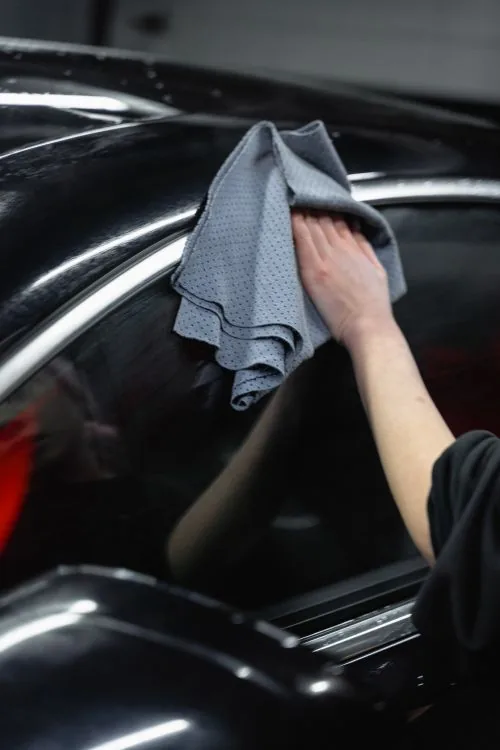
Look from two angles. Is the raised bead still present, is there a smear that moves with wiping, or is the paint smooth but discoloured? Those observations call for different next actions. Smearing usually means the cleanup still needs attention; a smooth persistent mark should not be treated as an endlessly renewable lump of sap.
If a deposit is visibly softening and lifting, a controlled repeat of the same permitted process may be reasonable. If there is no improvement, or the paint softens, changes colour or starts marking, stop and have the finish assessed. Increasing pressure on an unknown mark can turn a small cleaning problem into correction work.
When clay helps—and when I would leave it alone
A small amount of bonded contamination can remain after suitable chemical cleaning. On a compatible gloss finish, a lubricated clay trial may help. The clay-bar choices and lubricant guide explain the systems.
I would remove an obvious sticky lump before claying around it. A bar loading with that material immediately is harder to keep clean for the next patch. Use light passes, check the face and inspect the dry finish; claying can create marks that need later refinement.
Do not chase a flat stain with stronger clay because the last raised material has gone. Decide whether suitable polishing is appropriate for the actual paint condition. Matte paint and films do not get an automatic gloss-paint polishing step.
Make the next cleanup easier
After the solvent treatment and cleanup, reassess the protection on the affected area. Reapply a compatible wax or sealant where needed; an existing ceramic coating needs its own maintenance route. Protection can make routine care more manageable, but I would still remove new sticky deposits promptly.
If you regularly park near trees, inspect the roof, bonnet and upper glass during the wash. Keep a clean reserve cloth for local problems so the cloth that collected a sticky drop does not become the one used to buff the whole car.
Avoid household solvent experiments, razor blades on paint and scraping with a fingernail. A short, controlled treatment that lifts the deposit gives you a much clearer result to inspect than a smeared patch surrounded by rubbing marks.