Some links in my articles are affiliate links. I may earn a commission when you buy through them.
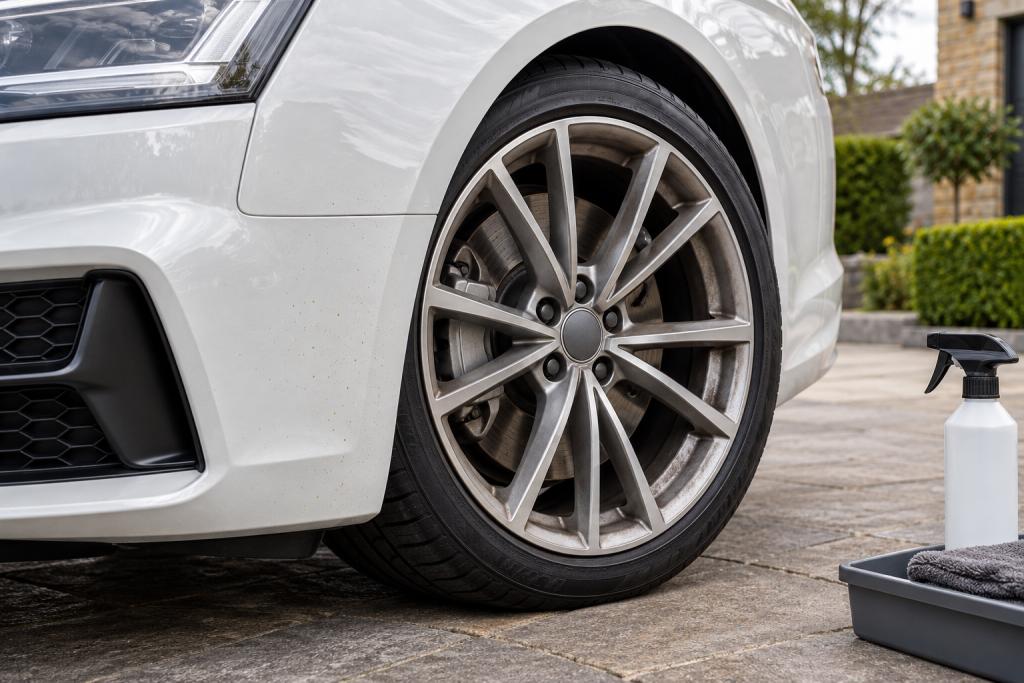
Those tiny rust-coloured specks on otherwise clean paint can make you feel as though the wash has barely helped. If they are iron contamination, another hard scrub with shampoo is a frustrating next step. My first choice for compatible clear-coated bodywork is Autoglym Magma. For a job centred on vertical wheel faces and spoke recesses, I’d consider Gtechniq W6 Iron Removing Wheel & Paint Cleaner and its clinging gel-like formula.
My first pick for clear-coated bodywork
A 500ml spray with a straightforward wash-first routine, a 3–5-minute working stage and gentle agitation before rinsing. A useful fit for the small bonded particles left after shampoo.
Before buying: Autoglym excludes non-clear-coated surfaces and does not recommend it for wraps. Check the actual finish before treating it.
My pick when wheel access and cling matter
A 500ml wheel-and-paint cleaner with a thick, gel-like formula that clings to vertical surfaces. Useful when you need to watch the wheel face and give the recesses individual attention.
Before buying: Gtechniq excludes bare or anodised aluminium. Have suitable rinse water ready and keep the product from drying.
These are choices for different working situations. I’d judge the result on the rinsed surface and the particles that remain, rather than which product makes the most dramatic colour on the driveway.
Decide whether an iron remover is the missing step
Wash away loose dirt first and inspect what is left. Small orange-brown specks can point towards iron contamination, but a mark in damaged paint needs a different assessment. Start where the deposits are identifiable, so you can judge the treated area afterwards.
The useful job is releasing particles that survived an ordinary wash. A bottle of fallout remover does not need to become a compulsory extra stage every weekend. If the car is already clean and the preparation system does not call for it, keep the routine simple. The iron-removal guide covers the decision and subsequent inspection.
For sticky black tar spots, compare the tar-remover choices instead. Buy for the contamination you actually have before adding another bottle that addresses a different problem.
Why Magma is my first choice for the bodywork
Magma fits a familiar wash-first routine. It has been useful on the small particles that shampoo leaves behind, where a careful treatment makes more sense than repeatedly rubbing the same marks. I check the area again after rinsing; the colour while it is working tells only part of the story.
The 500ml directions from Autoglym start with cool surfaces in shade, shampooing and removal of excess water. Spray the areas being treated, allow 3–5 minutes, gently agitate the bodywork with a soft damp sponge or wash mitt, then rinse thoroughly. Keep wheel brushes separate from the tools touching paint.
The maker describes the formula as pH neutral and includes compatible exterior glass and trim in its uses. That is useful around mixed exterior details, but the specific exclusions still matter: the same page rules out non-clear-coated surfaces and does not recommend wrapped cars. “pH neutral” is not a substitute for identifying the finish.
When I’d choose W6 for the wheel job
W6 is worth considering when you want a gel-like product to cling to a vertical wheel face while you attend to individual areas. Keep watching the surface and complete the rinse within its working stage.
On wheels, I pay particular attention after the water has drained. The broad face can look tidy while residue is still sitting around a bolt or on the inner edge of a spoke. Give those places their own inspection instead of deciding from the shine across the front of the rim.
Gtechniq’s current directions specify removal of loose dirt, shaking the bottle, gloves and a 3–5-minute working stage out of direct sun. Rinse before it dries. Suitable soft-bristled agitation is permitted for heavy soiling. Work on an area you can rinse fully rather than coating every wheel and returning to the first one much later.
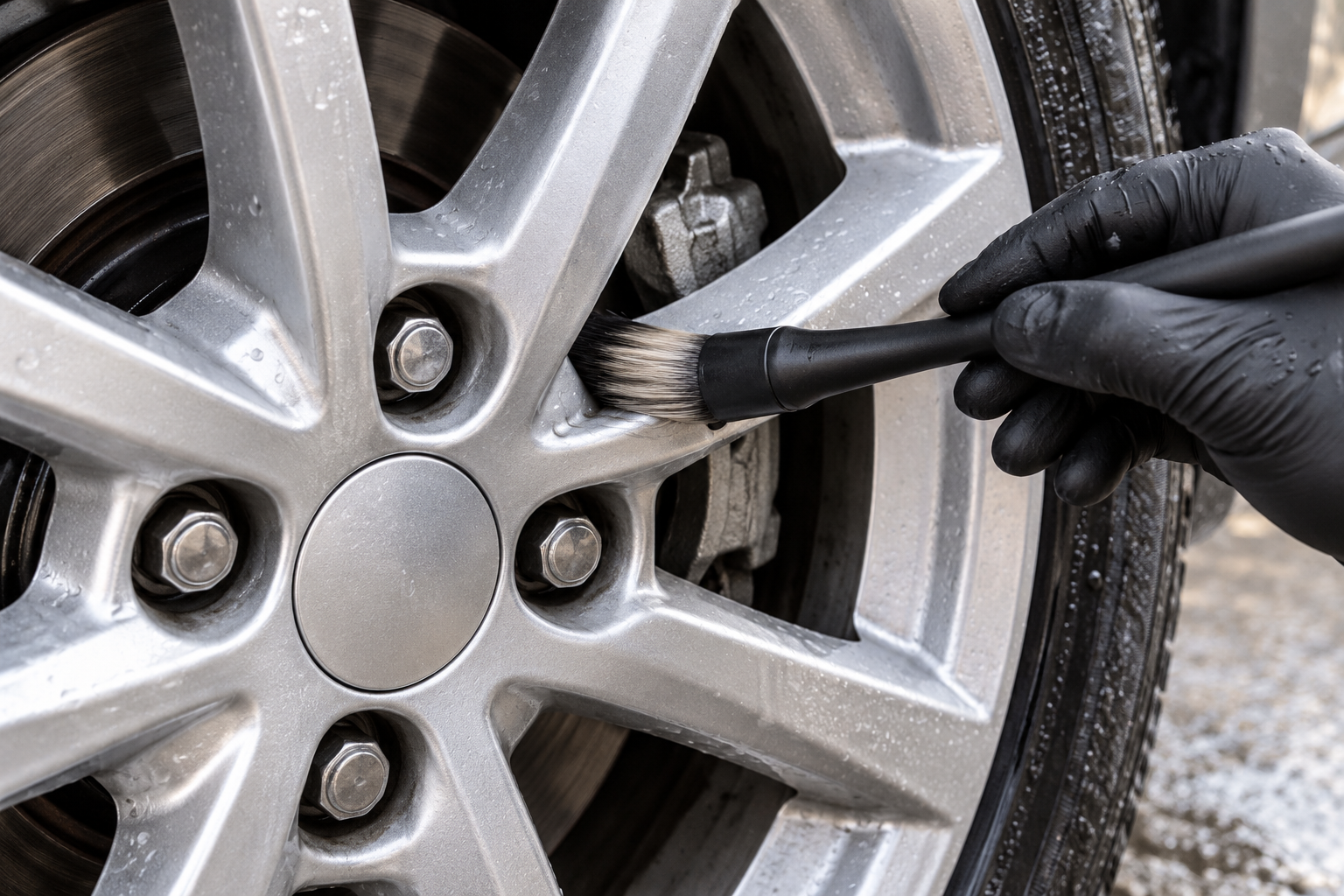
W6’s bare/anodised-aluminium exclusion is a decisive buying check. A wheel’s metallic appearance alone does not tell you whether it has an intact clear coat. Confirm the finish, particularly on specialist or refurbished wheels, before using this route. The wheel-cleaner guide offers broader choices for routine wheel washing.
Read the reaction, then inspect the clean surface
The red or purple reaction helps you see where iron-related activity is happening. It does not measure how completely the whole panel has been cleaned, and a stronger-looking colour is not a fair product ranking. Lighting, the amount applied and the contamination in that patch all affect what you see.
After the permitted working stage and rinse, inspect the spots that prompted treatment. If those have gone, you have answered that particular problem. If some remain, look at them before another application: they may be tar, rough bonded material of another kind or a mark within the finish.
When using either product for the first time, make the first treated area manageable enough to complete and inspect. You can organise the rest of the job around what you learn about access, rinsing and the deposits, without creating a large area to keep wet all at once.
Choose a bottle you can finish the job with
The linked choices are both 500ml. A targeted patch on a small car and full paint-and-wheel preparation are different jobs, so I would not promise a fixed number of applications from either bottle. Follow its supplied concentration; adding water because another detailing chemical is dilutable can change the method.
Rinse access matters as much as the sprayer. If you cannot rinse a panel or wheel thoroughly where the car is parked, arrange that before applying a fallout remover. Have the separate paint mitt or wheel brush ready so you can complete any required agitation within the working stage.
For an existing coating, check its maintenance routine before selecting another chemical. Gtechniq describes W6 as coating-safe, but that does not establish permission for every film or specialist finish. Check the actual surface even when the bottle says wheel-and-paint cleaner.
Fit it into the preparation you actually need
For a maintenance wash, treat the identified contamination and inspect the result. For polishing or coating preparation, follow that system’s order and clean up each chemical stage before moving on. Do not layer several wet chemicals onto the same panel to save a rinse.
If appropriate chemical treatment leaves bonded roughness, use the clay-bar guide to assess the remaining work. Clay can pick up material physically, so the amount left on the surface matters to how carefully you need to work. It is another decision, not an automatic follow-up to every purple reaction.
The ceramic-preparation guide connects these steps if you are starting a larger job.